Wallingford Center Pest Control Help for Homeowners
Request an estimate today
Homes in Wallingford Center have a lot of character, and sometimes a few uninvited guests. Between cold winters, spring snowmelt and older construction, pests find ways in. Centralfundamental Pest Control is a neighborly referral service. It connects you with independent local providers who handle the actual work, so you can compare approaches calmly and choose without pressure. Tell a provider what you have seen, ask how they would handle it, and take your time deciding.
What providers near Wallingford Center usually take on
The independent providers in our network handle many kinds of jobs. Here is how most of them divide the work.
Everyday household pests
Ants, spiders, roaches and crickets are the usual callers. A provider will look at where the pests travel, find what draws them in, and suggest a treatment plan. Good advice often includes small fixes you can make yourself, such as sealing cracks and fixing a dripping pipe.
Rodents and wildlife
Mice and rats love warm basements and quiet wall spaces. Squirrels, raccoons and bats prefer attics and chimneys. Providers who handle rodent and wildlife removal typically inspect, set traps or exclusion devices, and close the openings animals used. Where rules allow, many use humane methods.
Bed bugs and wood-destroying insects
Bed bug treatment usually involves a careful inspection and a plan for heat or targeted products, plus prep work on your side. Termites and carpenter ants call for a close look at wood near the foundation.
If you have been searching for an exterminator near me, the simplest next step is to describe what you see and let providers explain how they would handle it.
Weather and seasons: what the year tends to bring
Pests follow the calendar. In regions with cold, snowy winters, the pattern looks something like this:
- Late fall and winter: Mice and rats move indoors for warmth. Attics and basements get busy.
- Early spring: Snowmelt sends water toward foundations. Damp soil can push insects and rodents toward the house.
- Late spring and summer: Ants, spiders and flying insects spread out. Wasp nests start to appear.
- Late summer and fall: Crickets and other bugs look for shelter as nights cool. Wildlife scouts for denning spots.
Thaw cycles and coastal storms can also crack mortar, loosen siding and open small gaps. A gap that was tight in October might be wide enough for a mouse by March.
Request a callback to ask what providers are seeing in Wallingford Center this time of year.
Insurance and documentation
Pest problems are often treated as maintenance, so they are not always part of a claim. Still, damage from animals or water that follows an infestation can raise questions. Some policies may cover sudden damage, so check your policy and ask your insurer what applies to you.
A few habits make things easier either way:
- Take dated photos of droppings, chew marks, nests or damaged wood.
- Save every quote, invoice and written inspection report.
- Ask the provider what they can note in their report. Providers can often help document damage for a claim.
- Keep a short log of when you first noticed the problem.
Nothing here is a promise of coverage. It is just good record keeping.
Local homes and building styles
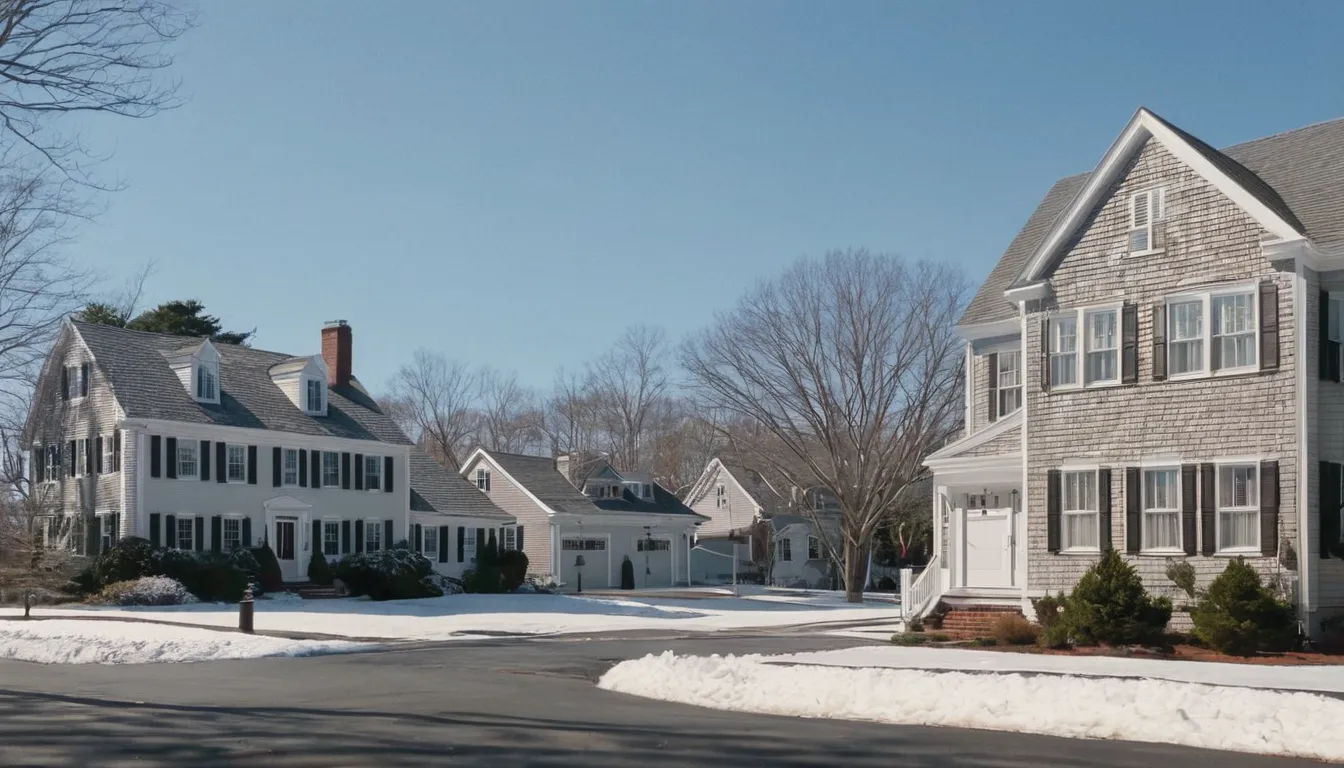
Much of the housing in the region is older, and older homes have their own quirks. Providers who work around Wallingford Center are used to them.
- Full basements with stone or block foundations. Small gaps, damp corners and old utility openings give rodents and insects easy routes.
- Cape Cod style homes. Low knee walls, tight attic spaces and dormers can hide nests, and they are hard to reach without the right tools.
- Multi-family buildings. Shared walls and common hallways mean pests can travel between units. A plan often works well when neighbors and the landlord are involved.
- Detached garages and sheds. These are common starting points for mice and wildlife.
When you speak with a provider, mention your home type right away. It helps them estimate the work more accurately.
Compare, then decide
You are never locked in. After you describe the problem, a provider explains their approach and gives an estimate. You can talk to more than one and weigh them side by side. Call hours vary by provider, and availability depends on the season.
Typical U.S. prices vary a lot by job. A routine pest treatment might cost roughly $100 to $300, while wildlife work or major rodent sealing can cost much more. Ask for a written quote so you can compare clearly.
Our Services in Wallingford Center
Why Wallingford Center Chooses Centralfundamental Pest Control
Made for older Wallingford Center homes
Stone foundations, full basements and Cape Cod layouts bring their own pest challenges. Providers in the network know how to handle these building types.
Less searching
Skip the endless scrolling. Describe the problem once and get pointed to a local provider.
Clear, written estimates
Ask each provider for a written quote so you can compare scope and price side by side before choosing anyone.
You make the final call
Centralfundamental Pest Control only makes the introduction. The independent provider does the work, and you decide whether to move forward, with no obligation at any point.
Start comparing providers now
Tell us what you are seeing at home. Request a callback or send a request, and we will connect you with a local provider in our network.
Tell us what happened
Tell us what you are seeing at home. Request a callback or send a request, and we will connect you with a local provider in our network.
No obligation